


Instagram isn’t just about pictures of you and your product or, if it’s your private account, selfie here and selfie there. (And for goodness sake, no bathroom selfies.)
From the bird’s point-of-view.
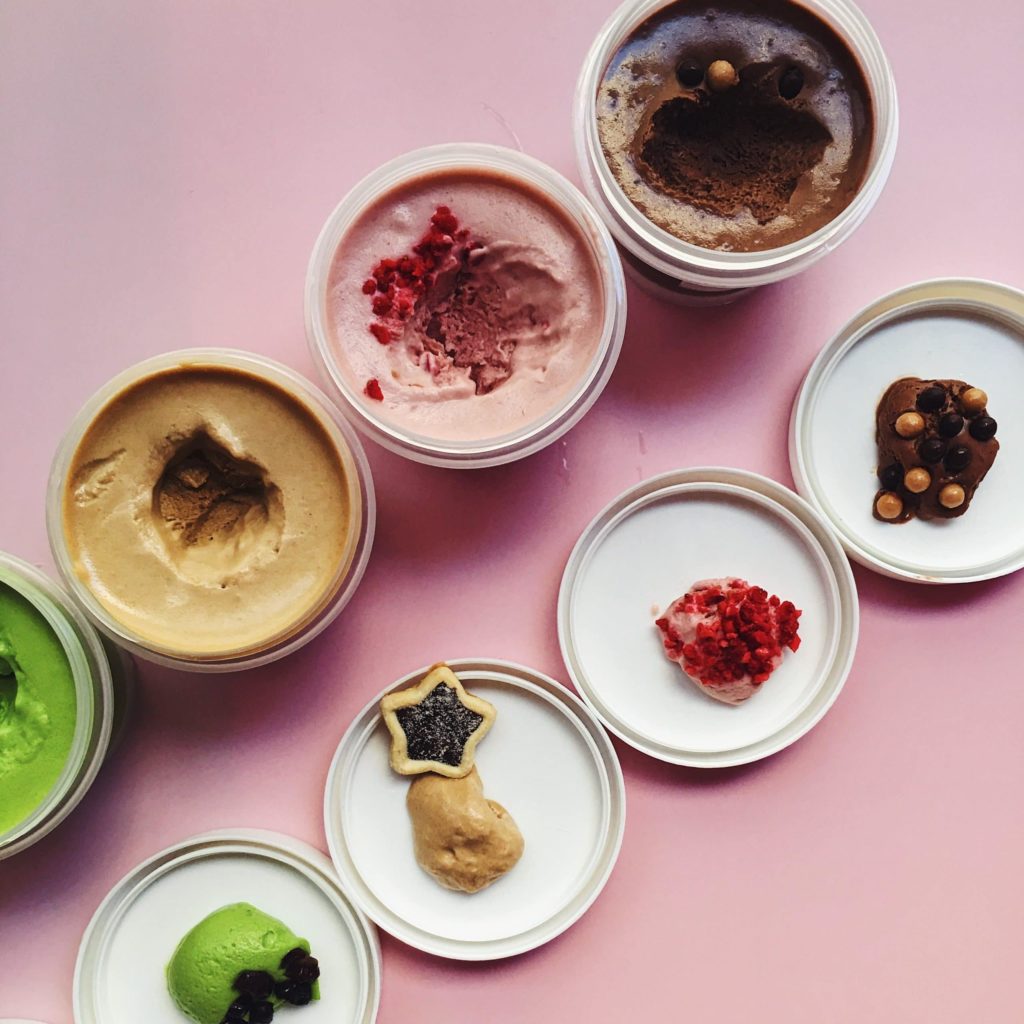
Sure, some companies do have great products that are Instagrammable. There are always fantastic ways for you to incorporate or make your product look interesting and invigorating. If you’re a cupcake company, do a unique cupcake every few days, place it on a different coloured thick stock paper, and shoot a pic from bird’s eye view. That also makes curating your images… dare we say it… sweet?
Another example of good use of bird’s eye view is this:

The above would, of course, relate to a coffee café – like a News Café for instance. It’s a great way of showing off products in an eye-catching, fascinating way. As a case study, what is worth noting is the way that the coffee contents are arranged according to a colour wheel of sorts. Always consider how colours match against each other when showing variants of a product in a single photo.
In fact, just looking at those coffees is making us thirsty for some cuppa java. Mmmmm!
Take photos of interesting things. By making them interesting.
It should go without saying, but based on what we’ve seen on Instagram, it needs saying. This section is also best explained through show-and-tell:

The above is a microphone. It’s also awesome macro photography, which basically is when you get really close to your subject. If you are a music instrument store, for instance, save the catalogue images for… the catalogues. Use photos like these to give your products a new kind of life. A different way of looking at something typically mundane.
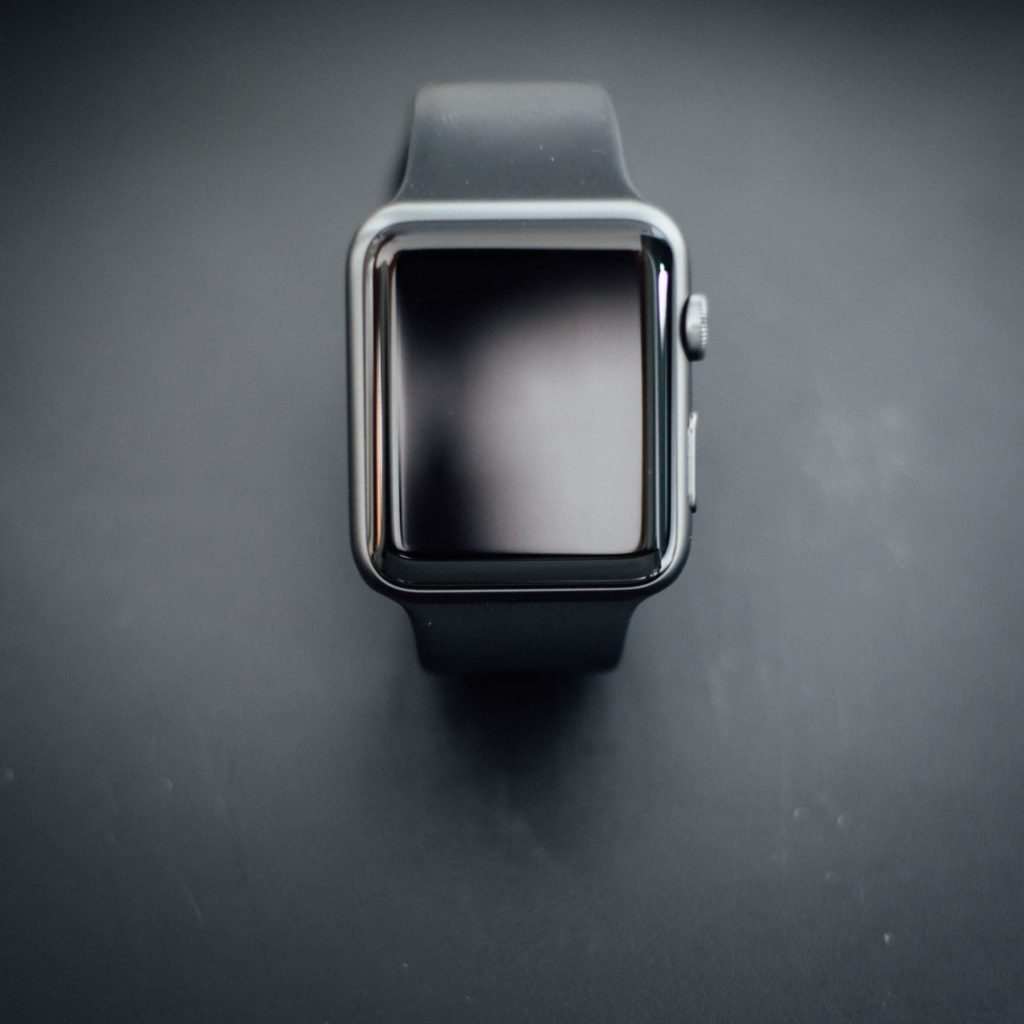
Elegant with a minimalist feel. Lots of empty space and great use of a single colour theme. You would be taking away from the watch, actually, by paradoxically showing what it can display. That’s because this particular picture is selling style. How good something looks on your wrist. A fashion accessory, if you like.
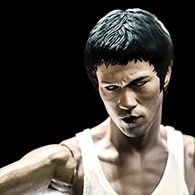
(I know kung-fu!)
This Bruce Lee toy is an excellent example of how you can bring the inanimate to life through careful use of lighting, a close focus on the subject, and how you pose the subject or frame the shot. If you were a toy store, for instance, this would be great for your Instagram feed, because it demonstrates – in a sense – how toys come “alive” for children thanks to their imaginations… Something we tend to forget now that we’re adults. Which shows you an interesting point to Instagram: it’s about looking at the world differently. Seeing things in new ways.
Do that properly, and you’ll build a following and generate more Instagram likes easily, as a result.
Say yes to Hash.
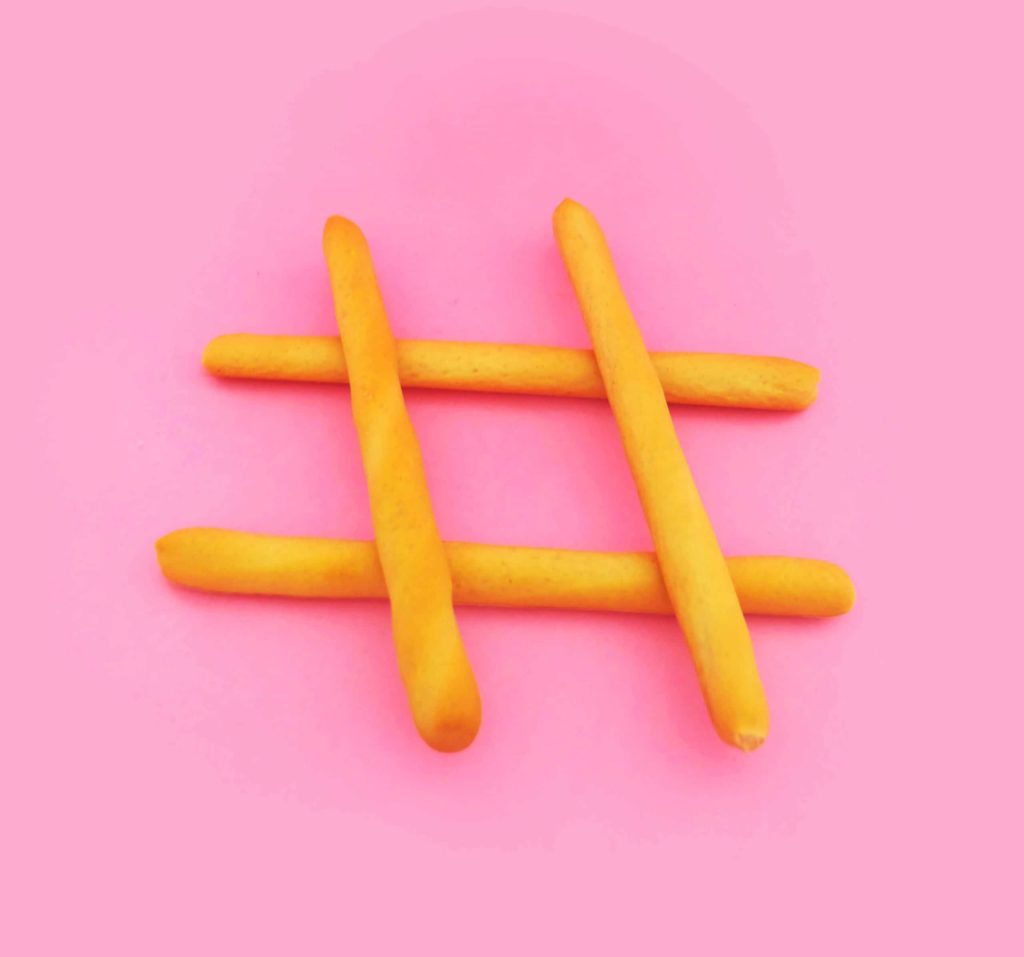
Not all hash is illegal. Some of it is actually essential, such as hashtags on Instagram. The # makes it easier for your photos to appear in people’s phones who don’t even know you. Hashtags are essential for getting as much exposure for your output as possible. People who don’t follow you are more likely to see and like your image if you use a hashtag.
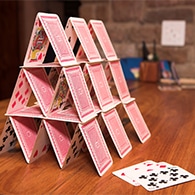
For instance, if you’re very passionate about building houses of cards, you want people similarly intrigued by it to see it too. #cardhouses is one way to go. When you’re uploading a photo and adding in a caption, the # key is conveniently on your virtual keyboard without you having to do any additional steps. Press it and think creatively what hashtag the topic of your photo (i.e. the subject in the photo) would fall under.
Make a movie.
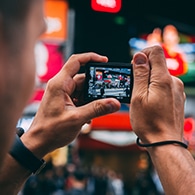
You get sixty seconds a clip max, but you can do video to get more Instagram likes. And if you have a decent, recent cell phone, you’ve got both an excellent video camera AND editing tool rolled up in one.
But don’t just shoot a straight 60-second clip if you want lots of likes.
Be semi-pro about it.
Let’s say you’re at a business function, a party, or a presentation by some talented design guru. 60 flat seconds is a bit boring. Rather record throughout. But do it in bite-sized clips. People dancing. Awkward handshakes. A couple of different but pertinent clips throughout the design presentation. Keep in mind that Instagram will reformat your video into a square. So, if you’re not shooting with an app that automatically films in a square shape, keep the centre focus on the middle and don’t try for nuances that you need to see a more rectangular/letterbox format to appreciate.
Now, if you have an iPhone, you have one of the best consumer-level movie editors free on your phone. You can make a sixty-second video using your best clips (the highlights reel you could say) and putting them together. iMovie is very easy to use and comes with a Help button. Just keep each clip punchy and you’ll have a kinetic, fun video to post. If you’re an Android user, have a look at Video Editor, which comes standard on the operating system (the later versions at least) and do the same thing.
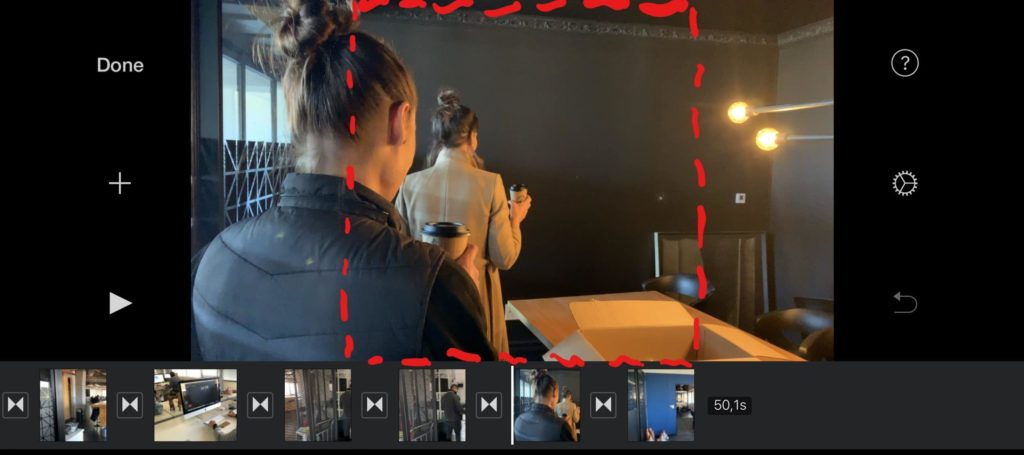
(In the above picture example, iMovie was used. The red lines we added are approximately what Instagram would clip your format to, so keep that in mind.)
Really, the trick is to keep the action fast so lots of quick cuts of what’s happening at the event / seminar / pool party / bachelor’s. Put an appropriate music track to it if necessary (iMovie has a library of royalty free tunes, plus most of the music that you’ve bought off iTunes can be used.) With Android you can probably just pirate whatever, it being a bit of a Wild West OS after all. (Not that we advocate piracy. For one thing, it has made Somalian seas unsafe.)
Or, simply get inventive with your product.
Use filters on your photos.
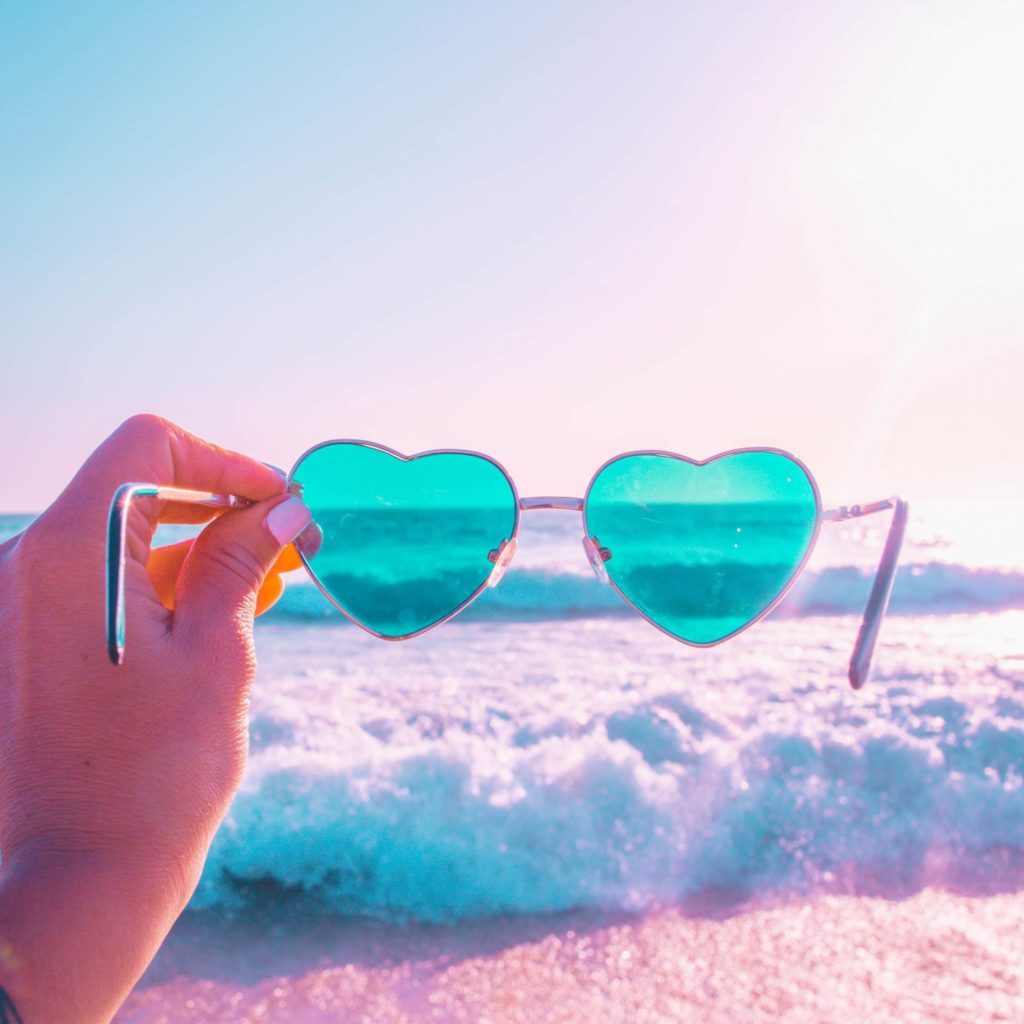
This is because filters can make a mundane photo undane (we made up that last word, but we think you get what we mean, contextually). Or an extraordinary photo extra extraordinary with kettle chips on the side.
We’ve got a few examples for you right here:
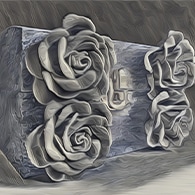
Looks like a classical art piece, doesn’t it? Could be used if you are a scrapbooking business (or scrapbooking enthusiast) to give a bit of extra magic to what you’re creating.

Ah, the beautiful Sakura tree. You can’t actually tell if a filter was applied or not, but that might be because if a filter was used, it was experimented with and fine-tuned to create the look shown here. Don’t be afraid to dish out a couple of dosh on a decent filter app that lets you fine-tune your photo. Too simple and it looks like a generic. More complex means more time spent learning how to use it properly. But once you’ve mastered it, you can create a million masterpieces right off the bat.
You can also get really creative, if you have the inclination, and learn to use programmes like Photoshop, Affinity Photo, or Pixelmator Pro, and create something completely unique and give it a filter to make it seamless. Below is an example:

(Did the doctor order some Scrubs and Oprah? Take two and call her in the morning.)
Where to find apps that can give your apps that pizazz you’re looking for, we hear you ask? Not to worry! We found them for you! Just click here. https://bfy.tw/OINS.
Lastly, be an Influencer.
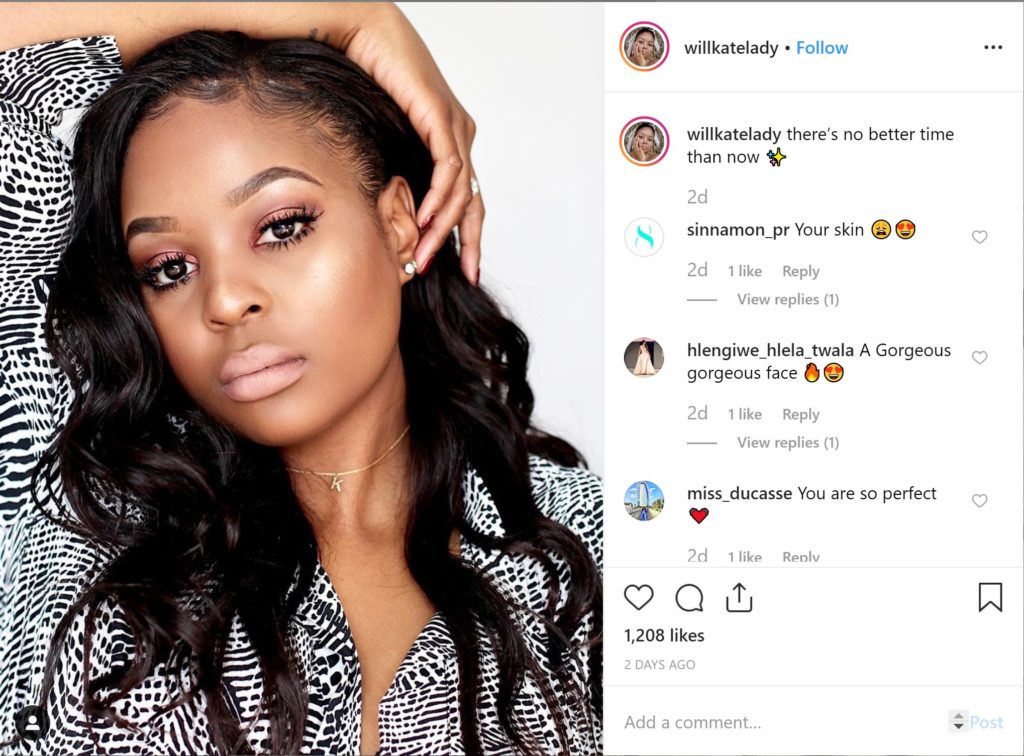
This one’s tricky. Here’s how to be an Influencer. Follow this simple step by step:
Are you famous?
1) Yes
2) No
If you answered yes, congratulations, you can be an influencer.
If you answered no, sorry, you can’t be an influencer.
What about hiring an influencer:
Do you have a budget available?
1) Yes
2) No
If you answered yes, congratulations, you can hire an influencer.
If you answered no, sorry, you can’t hire an influencer.
We hope this article on how to get more Instagram likes really helps you. Now go put what you’ve learnt into practice!