Service / Consideration

UX & UI Design

Since 2001

Rosebank, Johannesburg

Design that
removes the blur.

(UX / UI)

Research, journey mapping and interface design for websites and digital products. We work through the steps people need to complete, from finding information to submitting an application or buying a product.

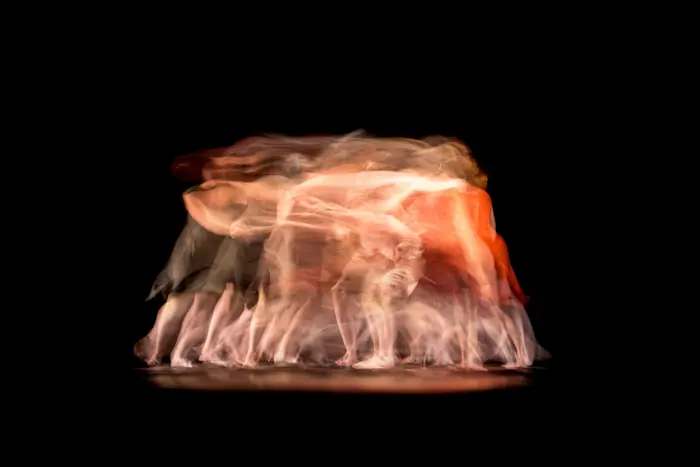
A dancer in white captured mid-spin with motion blur against a black stage
Movement is human. Confusion shouldn't be.

(01) Why it matters

Unclear labels, missing information and awkward forms can make a simple task difficult. UX work helps identify those problems; UI design turns the findings into screens and interactions.

A funnel of narrowing bars leading to one clear Enter button

Fig. 01 - A clear way in.

Good UX is invisible. Customers don't notice the research, the structure or the hundreds of small decisions behind a screen. They notice that everything is where they expected it to be, and that buying, booking or enquiring felt easy.

The process can include interviews, analytics review, journey maps and prototypes. We agree which methods are useful for the problem and what the team needs to learn.

  • Fewer drop-offs
  • Clearer journeys
  • Task completion
  • Stronger trust
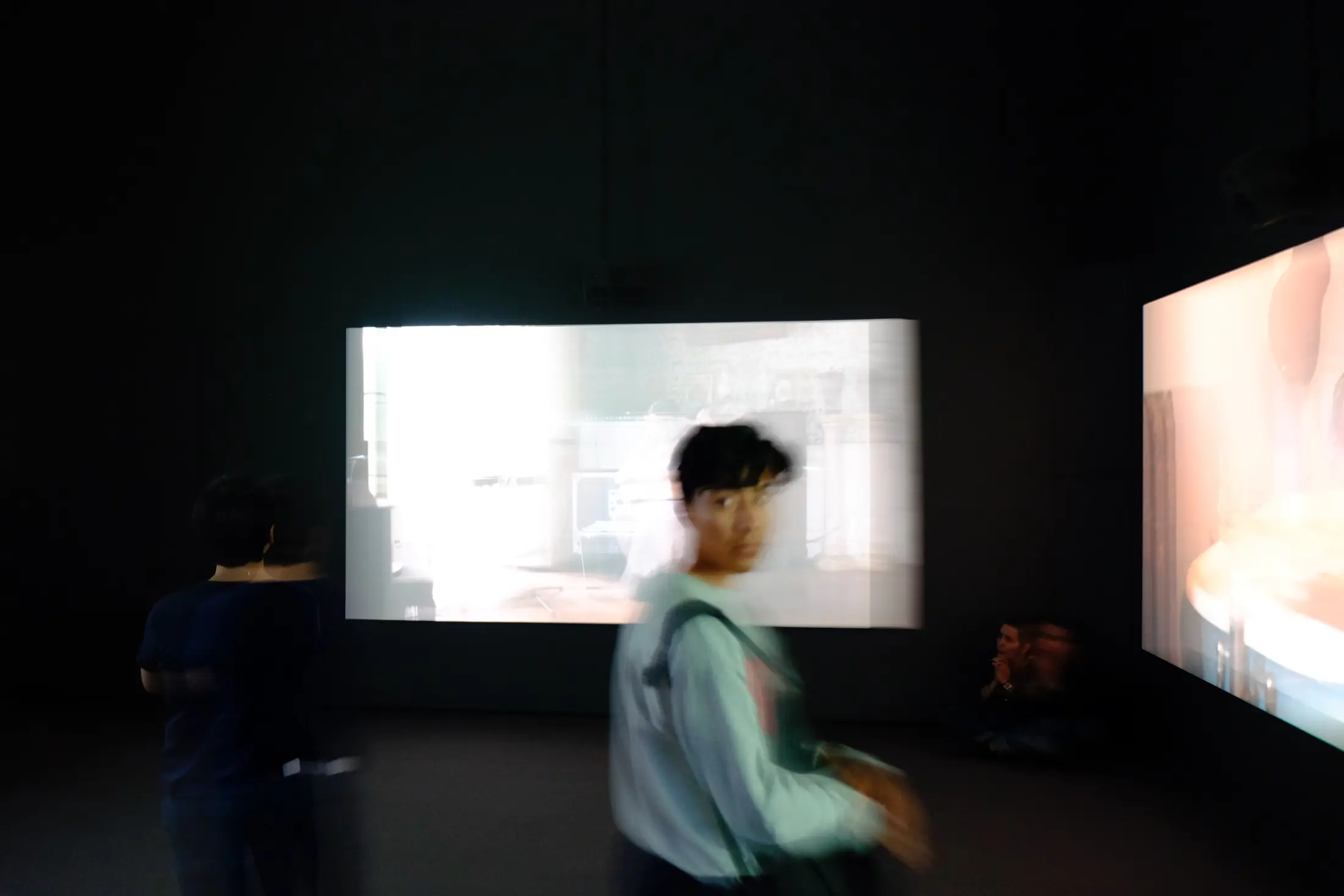
People moving through a dark gallery lit by large projection screens

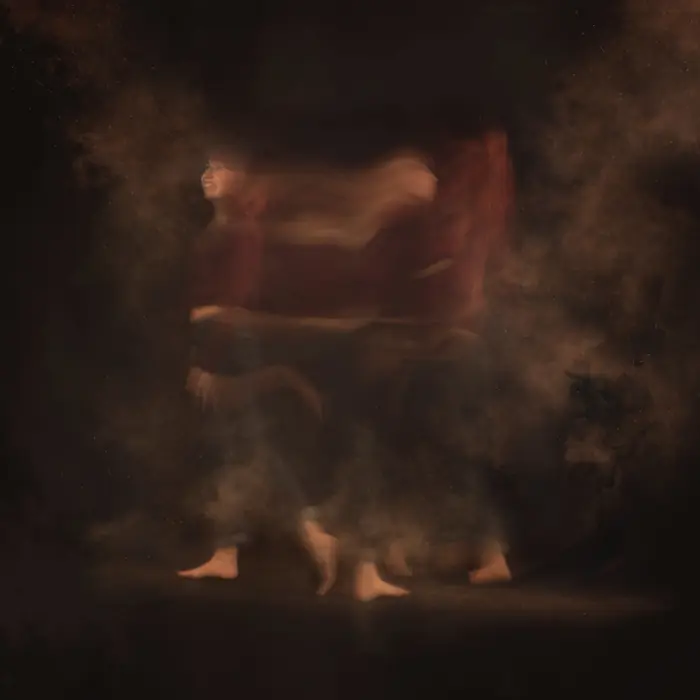
Good UX works like a lens: confusion becomes clarity, friction becomes flow and doubt becomes a decision.

Good UX works like a lens.
It brings what matters into focus.

(02) What we do

Two disciplines.
One experience.

Five-step user journey with the decision point highlighted UX

User experience

How it works.

Research and journey mapping identify the information and steps a task requires. Wireframes organise those requirements before detailed interface design.

  • 01User research & interviews
  • 02Journey & funnel mapping
  • 03Information architecture
  • 04Wireframes & prototypes
  • 05Usability testing & conversion audits
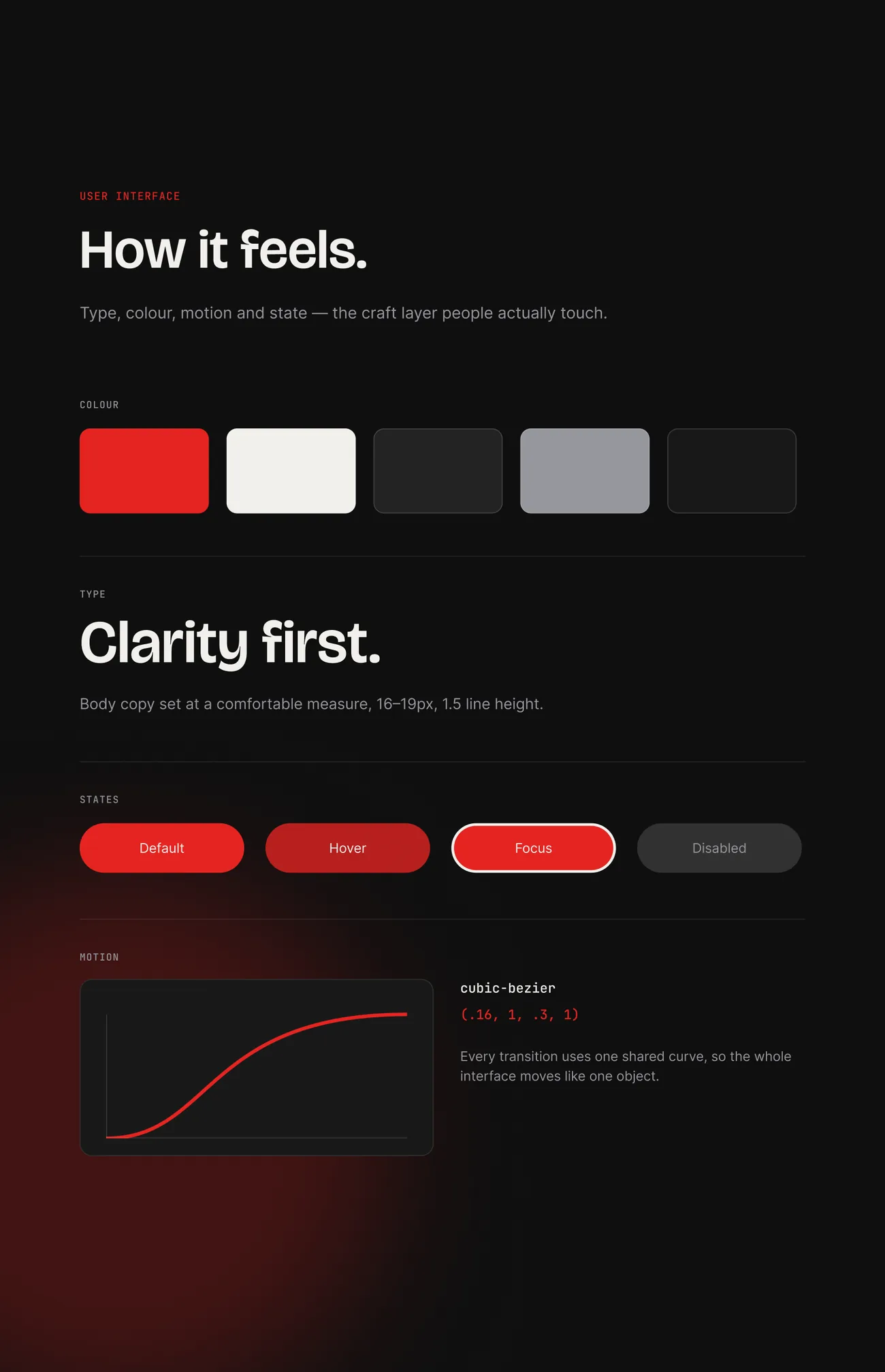
Interface spec sheet showing colour, type, button states and the motion curve UI

User interface

How it feels.

Typography, colour, components and interaction states turn the structure into a usable interface. Layouts account for different screen sizes and content needs.

  • 01Visual language & art direction
  • 02Design systems & component libraries
  • 03Interaction & motion design
  • 04Responsive, mobile-first layouts
  • 05Accessible, inclusive interfaces

(03) How we work

From blur
to brilliant.

Five stages from understanding the task to checking the proposed design. Research and testing are scoped around the project.

01
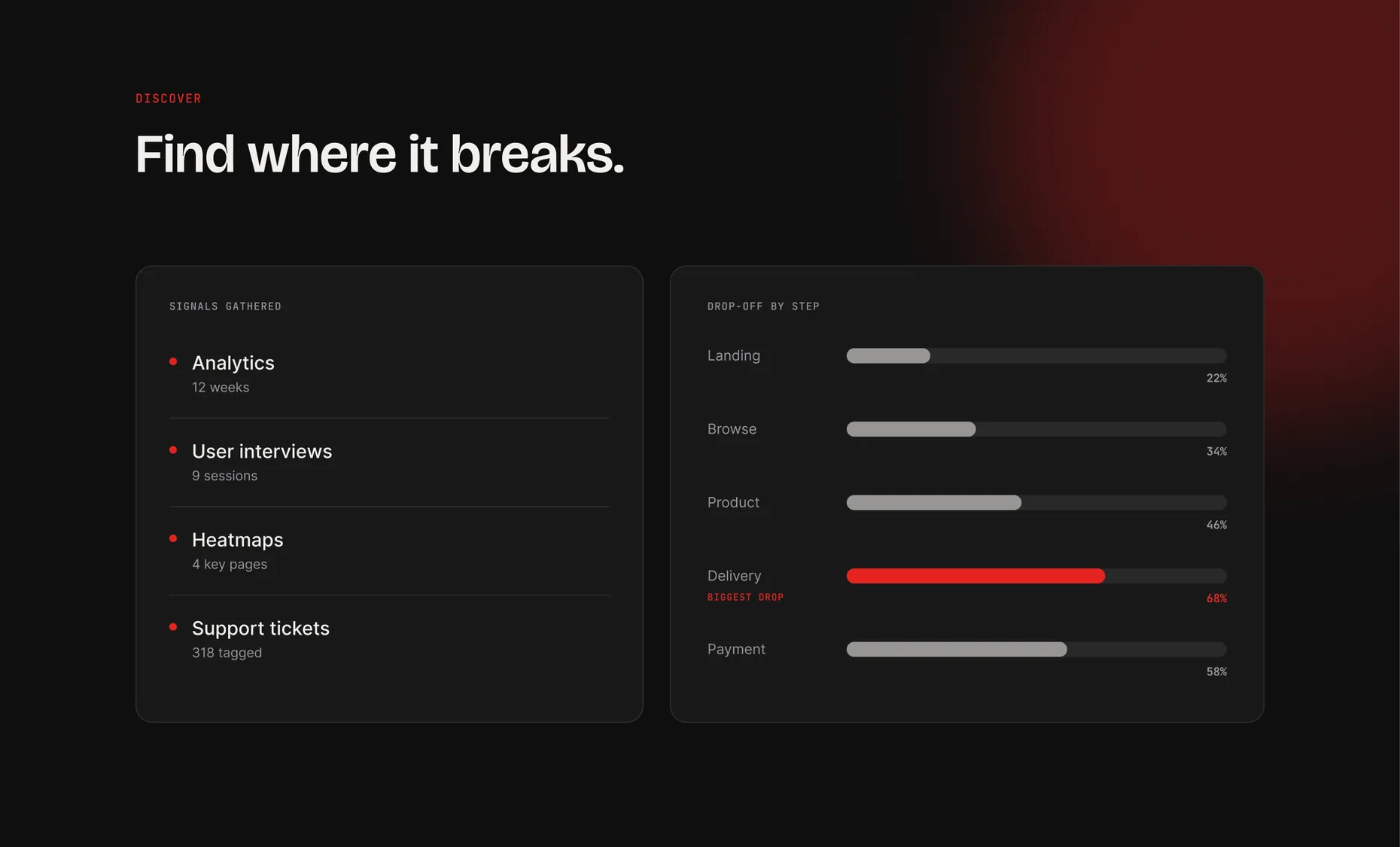
Research panel showing signals gathered and drop-off by checkout step

Discover

We listen first. Stakeholder sessions, analytics and user research uncover who your customers are, what they need and where they get stuck.

02
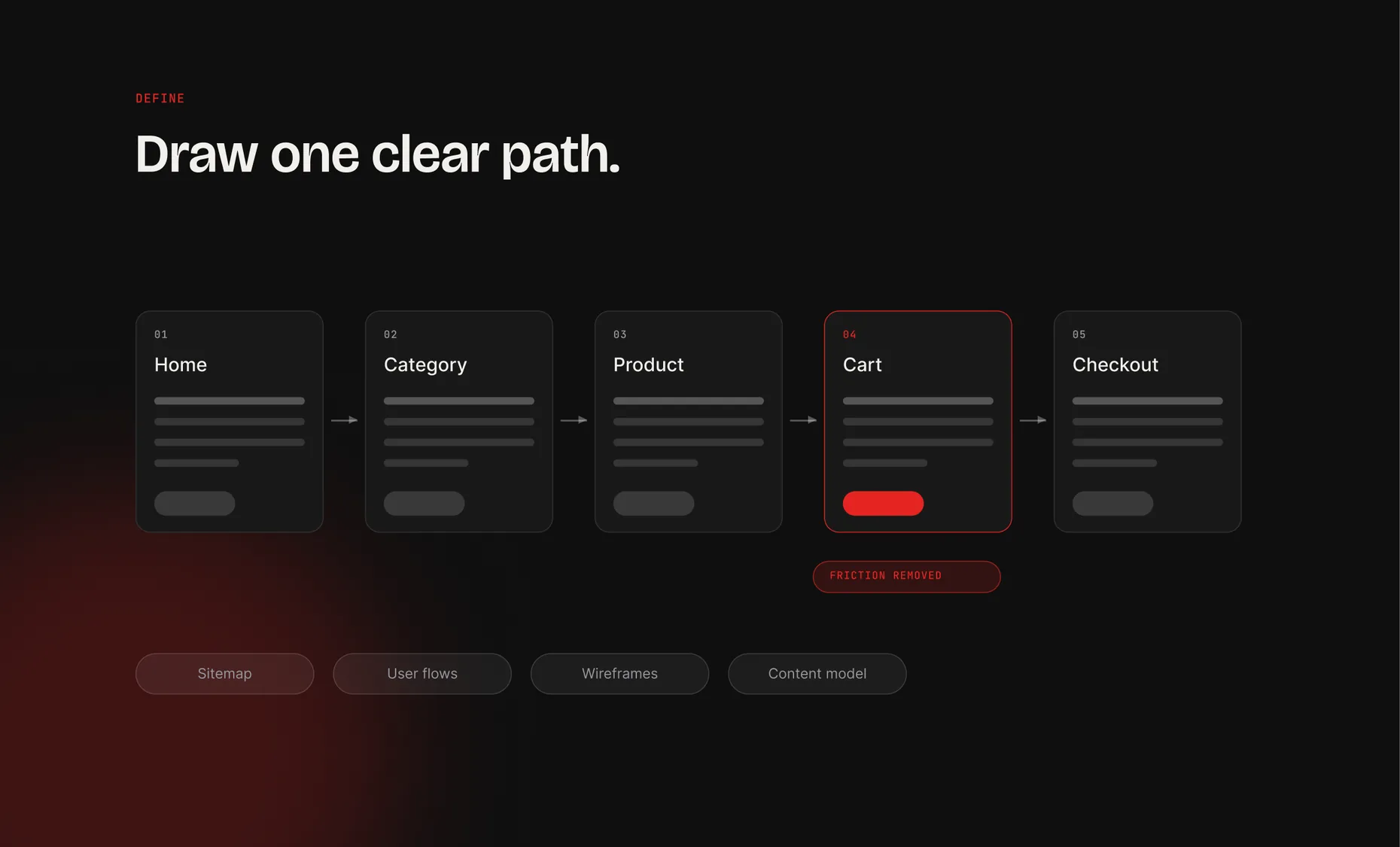
User flow from home to checkout with the friction point highlighted

Define

Map the task, organise the content and identify the screens and decisions needed to complete it.

03
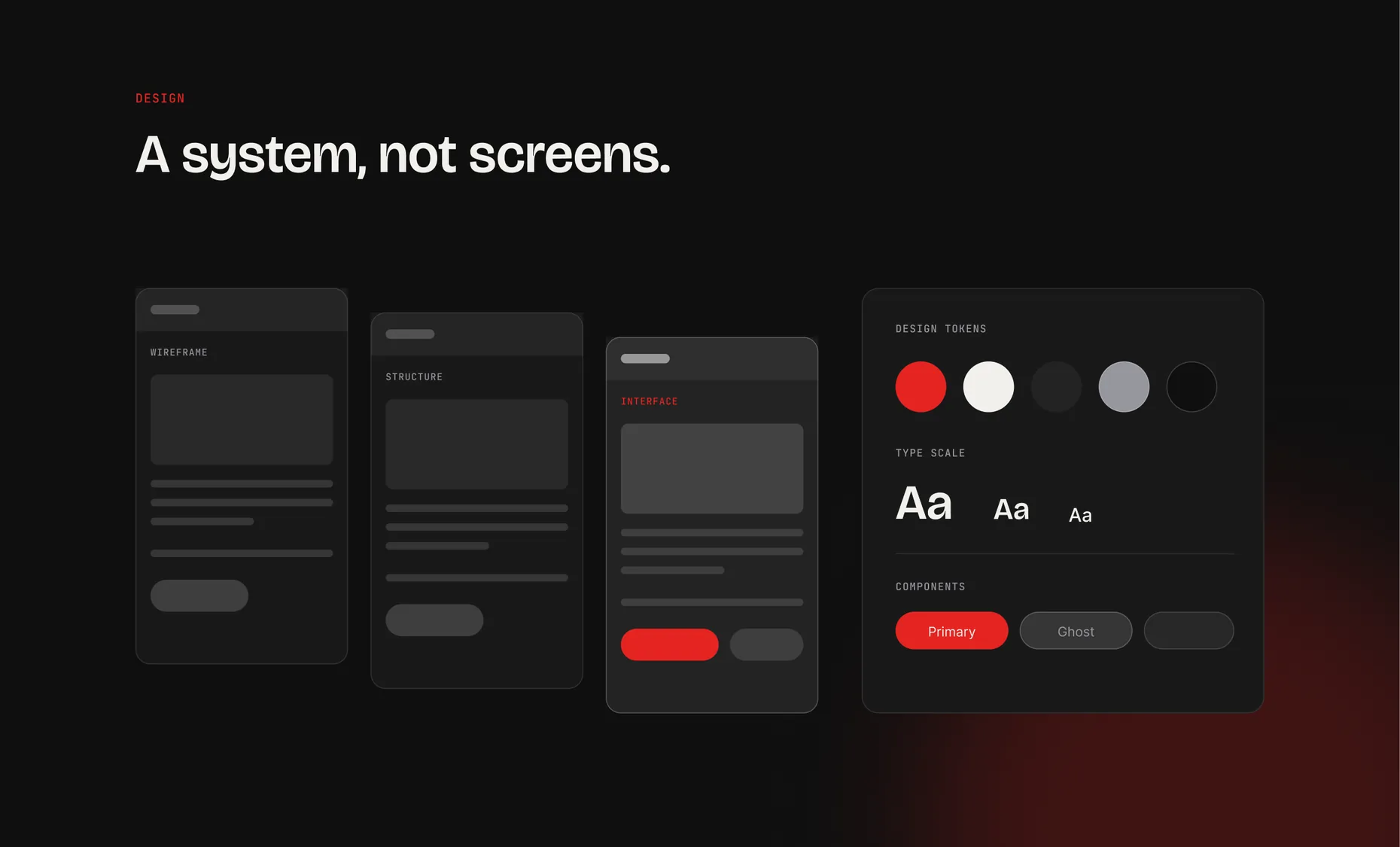
Wireframe, structure and interface screens beside a design token sheet

Design

Wireframes become interfaces. We craft the visual language, components and interactions that make your brand feel considered and easy to use.

04
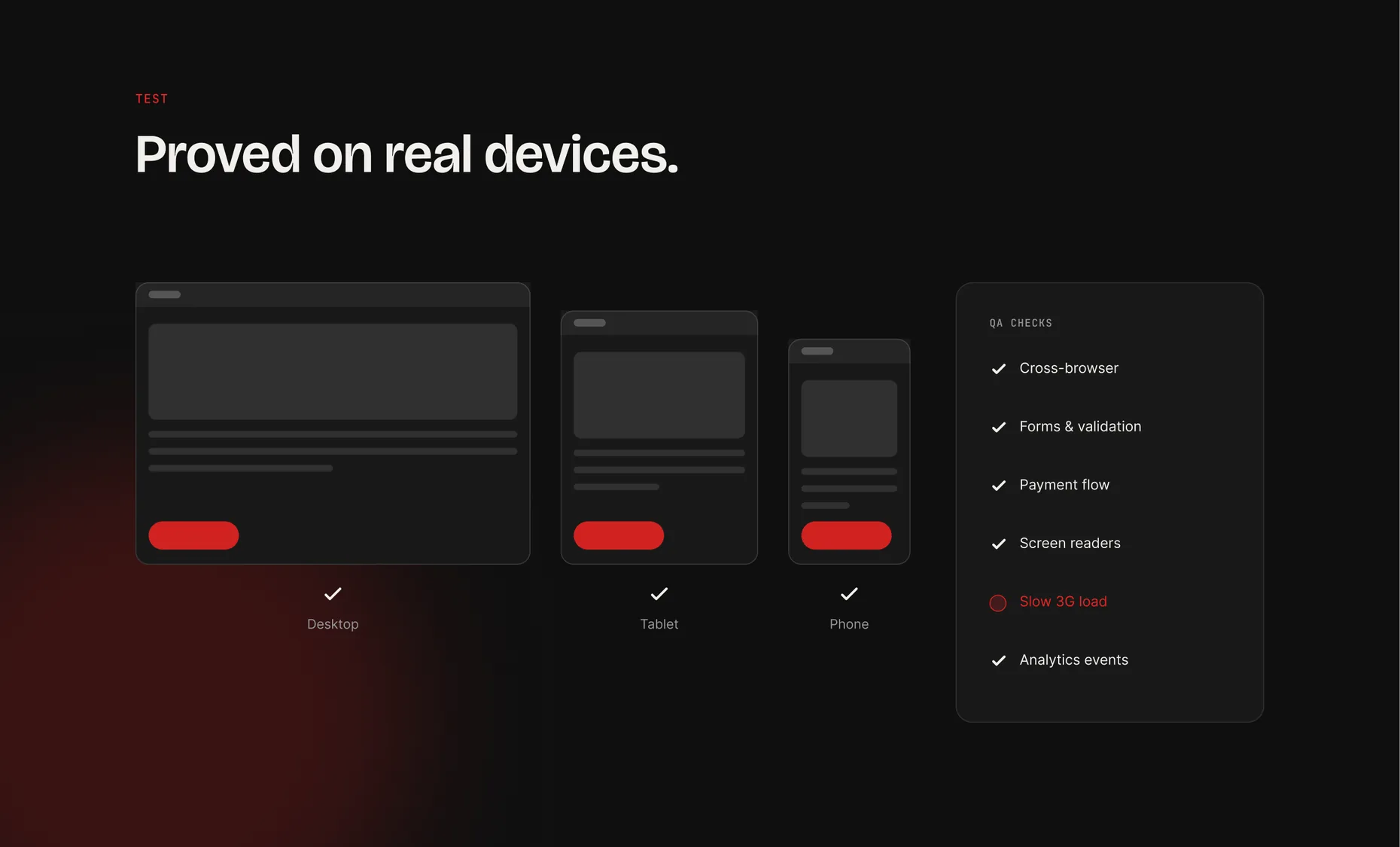
Desktop, tablet and phone layouts beside a QA checklist

Prototype & test

Clickable prototypes put ideas in front of real people before production begins. What confuses, we fix. What works, we sharpen.

05
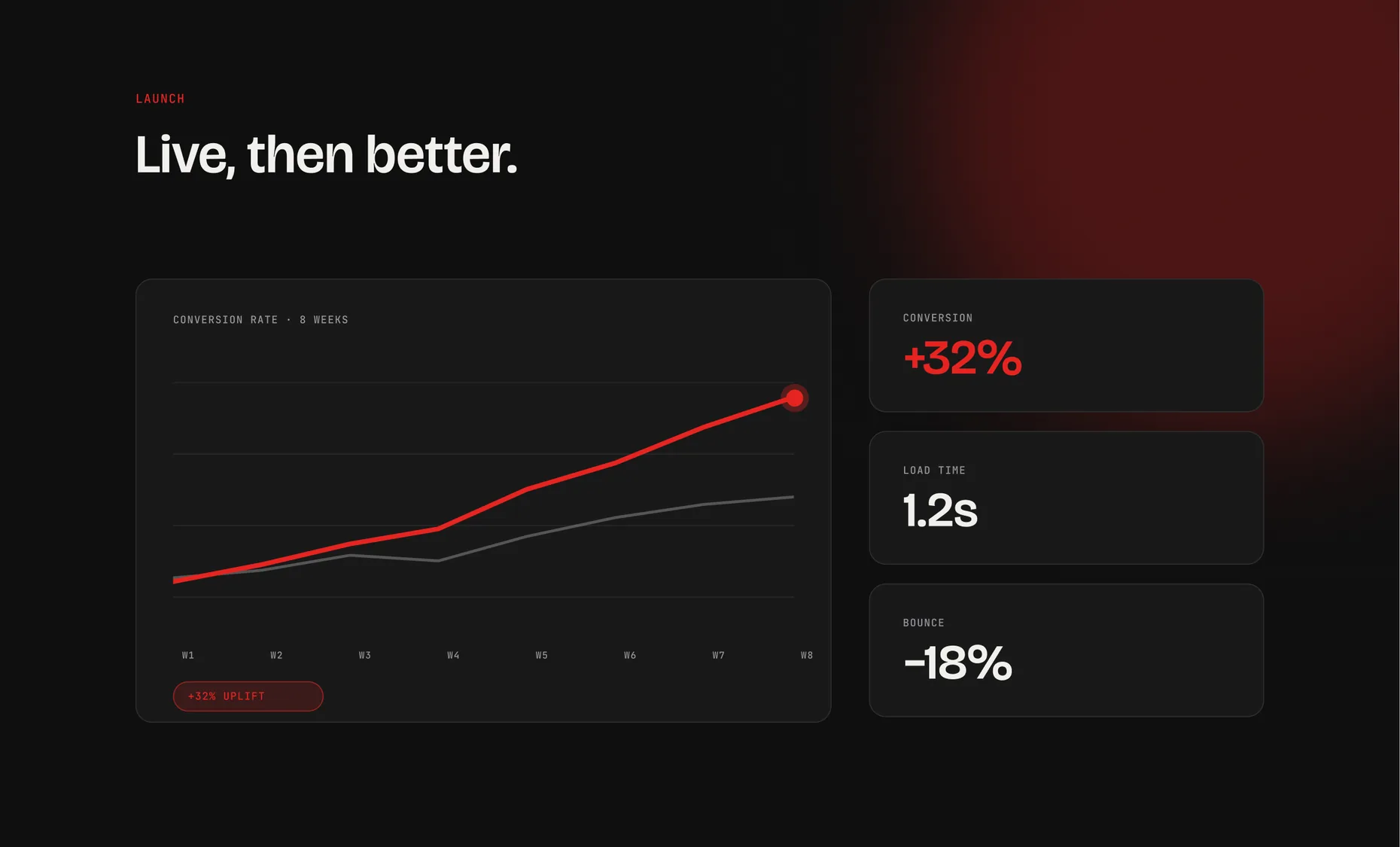
Conversion rate rising over eight weeks beside uplift, load time and bounce figures

Launch & learn

We hand over clean, documented designs, support the build and keep improving with real data once real customers arrive.

ClarityFlow✺TrustClarity✺
DelightConversion✺LoyaltyDelight✺
HumanCentred✺DesignHuman✺

Every screen we design is measured against these words.

(Not how it looks. How it works for the person using it.)

2001

Building for the web since 2001.

Oneteam

Everything in-house, from research and content to design and build.

(Sustained success)

What the project includes.

  1. Our portfolio includes websites, platforms and brand systems. Look at the project descriptions to see the role FGX played in each.

  2. Agree which research, design, content and development tasks belong in the project, and who is responsible for each.

  3. Use available analytics, customer feedback and research to identify questions. Where evidence is limited, test the assumptions before committing to a full build.

  4. Define the users, tasks, constraints and priorities in the brief. Those decisions guide the structure and scope of the design.

  5. Agree the actions the design should support, such as finding information, completing an application or making a purchase. Decide how to assess the change.

  6. Write labels, instructions and page content around the questions people have at each step. Use language they can understand without specialist knowledge.

  7. Review designs at agreed points, record decisions and identify what needs approval before the next stage.

  8. Use prototypes to explore interactions before development. The fidelity and testing approach depend on what needs to be learned.

  9. Document components, states and usage rules so the people building and maintaining the product can use the design consistently.

  10. Review the delivered work in context. A design system, a marketing website and a campaign solve different problems and need different measures.

(05) Trusted by

Brands that can't
afford friction.

Nissan MultiChoice Massmart Growthpoint Hyprop City Lodge Hotel Group Fedhealth Kodak Alaris Webber Wentzel
Redefine Properties Fortress Fund Rosebank Mall Crayon Pioneer PNA SAPOA Valdo

(06) General client feedback

“Hi Dream Team, we want to say thanks for an awesome app launch!”
Pioneer Agency
“FGX is just brilliant with website turnaround times.”
FPG Property Fund
“The world needs digital gurus such as yourself.”
Woodmead Retail
“Love your scientific approach to digital marketing!”
Crayon

Let's chat / Get in touch

Let's make it
make sense.

Tell us where your customers get stuck. Our team of specialists will take care of the rest.

Anthony Otte
+27 82 774 9084
Ronel Gerber
+27 83 678 8225
Studio
Workshop 17, The Bank, Rosebank
Cnr Tyrwhitt & 24 Cradock Avenue